The Rise of Industrial Outdoor Storage in Modern Supply Chains
Many supply chains are built to move freight quickly from port to warehouse and then on to final distribution. That model worked well when inventory levels were predictable and warehouse capacity could absorb inbound shipments as they arrived.
But as warehouse capacity tightens and supply chains become more dynamic, many operators are turning to industrial outdoor storage (IOS) and container depot yards as a flexible staging layer within their logistics networks.
Today, that timing doesn’t always align.
Imports may arrive before downstream capacity opens. Retail peaks can create short-term overflow. Manufacturing programs sometimes require staging materials near production facilities before they are needed on the line. When those situations occur, companies often assume the only solution is to secure additional warehouse space.
In reality, the better option is sometimes to rethink where inventory sits within the supply chain.
Introducing a Staging Layer in the Network
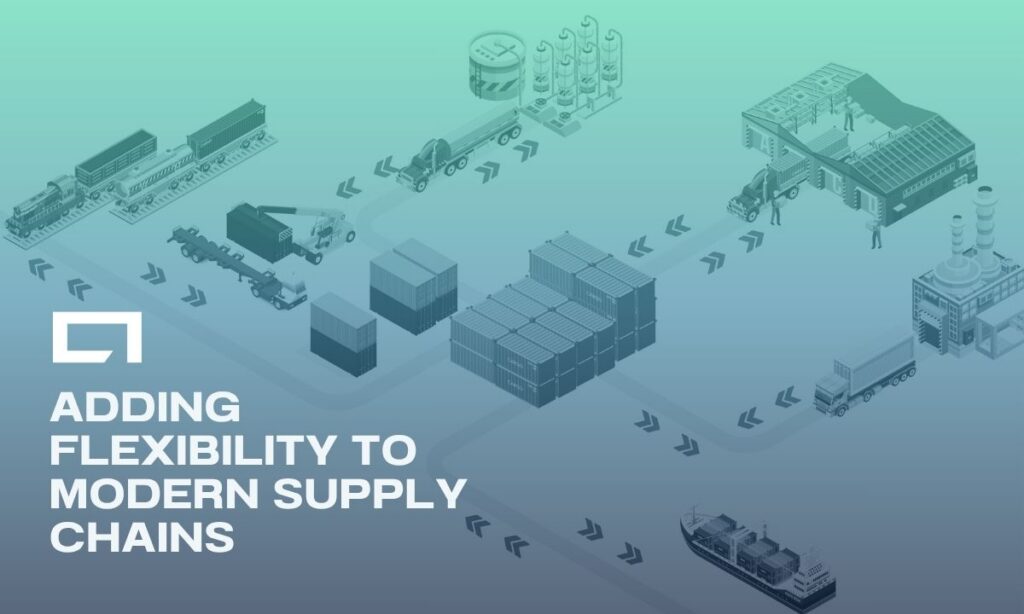
One approach that many supply chains are beginning to adopt is the use of container depot yards and industrial outdoor storage (IOS), including facilities designed to support containers, trailers, chassis, fleets, and other equipment, as a staging layer between major transportation nodes and warehouse facilities.
ConGlobal depots and yards are designed to support this mix of assets, providing flexible staging across containers, trailers, chassis, fleets, and broader industrial outdoor storage needs.
Rather than forcing cargo directly into warehouse space before it is needed, companies can position containers, trailers, and equipment in professionally managed yards located near ports, rail terminals, and distribution centers.
This creates flexibility in the system. Freight remains accessible and ready to move, while giving operators more control over when inventory enters the warehouse network.
For supply chains dealing with fluctuating volumes, this staging layer can help smooth inbound flows and prevent bottlenecks inside distribution centers.
Why Industrial Outdoor Storage Is Gaining Attention
Industrial outdoor storage has become increasingly attractive as warehouse costs continue to rise and vacancy rates remain tight in many logistics markets.
Container depot yards are particularly well suited for this role because they are designed to handle containerized freight, trailers, chassis, and other heavy equipment at scale. Unlike improvised overflow space or temporary drop yards, these facilities operate with the equipment, safety protocols, and operational expertise required to manage large volumes efficiently.
In addition to storage capacity, depot operators often provide services such as equipment repositioning, drayage support, container maintenance and repair, and inventory visibility tools that help customers manage containers, trailers, chassis, and other equipment while they are staged within the yard.
These capabilities allow storage to function as part of the supply chain rather than as a static holding area.
Real-World Use Cases
Companies are using depot-based storage in a variety of ways.
Retailers may stage inbound containers near distribution centers during peak seasons to avoid overwhelming warehouse operations. In some cases, the containers themselves become part of the storage strategy. Rather than immediately unloading goods into warehouse space, companies can keep cargo within the original containers and position those containers within professionally managed depot yards until distribution capacity opens.
Several large retailers have adopted this approach, using depot yards as a temporary staging layer within their supply chains. Containers remain accessible and ready to move, allowing operators to pull inventory into distribution centers when it is actually needed rather than when it first arrives.
Manufacturers are also exploring similar strategies. In another program, a manufacturer leased containers and used them as temporary storage while aligning inventory with production schedules. Once the inventory was consumed, the containers were returned to circulation.
These types of programs illustrate how containers themselves can function as flexible storage units within the supply chain, allowing companies to position inventory closer to production sites or distribution hubs without committing to additional warehouse space.
Storage as a Network Strategy
When storage is viewed as a strategic element of the network rather than a last-minute solution, it can unlock meaningful operational benefits.
It allows supply chains to respond more easily to demand fluctuations, reduces pressure on warehouse capacity, and provides operators with additional options when transportation timing shifts.
Container depot yards and industrial outdoor storage (IOS) facilities, supporting containers, trailers, chassis, fleets, and other assets are increasingly playing this role across many logistics networks.
As supply chains continue to evolve, the ability to position inventory intelligently between transportation nodes and distribution centers may become one of the most practical ways companies can build resilience into their operations.